Selling in Naperville comes with strong buyer interest and plenty of moving parts. You want a smooth sale, a solid price, and no last‑minute surprises at closing. This step‑by‑step checklist walks you from prep to closing with local requirements, timelines, and practical decisions that matter in Naperville and DuPage County. Let’s dive in.
Naperville market and timeline
Naperville home prices are typically in the low to mid 600s, and the market is somewhat competitive with days on market often measured in weeks. Activity varies by neighborhood and price band, so plan your strategy with recent comparable sales. Once you accept an offer, most financed purchases close in about 30 to 45 days, while some cash deals can close faster. Use that window to plan your move, schedule utility final reads, and coordinate your payoff and transfer stamps. For timeline context, see this overview of typical purchase-to-close timing for financed vs. cash deals, which commonly fall in that 30 to 45 day range (Homeward’s real estate 101).
Legal must‑dos in Illinois
Illinois property disclosures
You must provide the Illinois Residential Real Property Disclosure Report for most 1 to 4 unit homes and supplement it if new material facts emerge before closing. Disclose what you actually know about the property’s condition. Completing this early helps you control how issues are addressed and reduces risk later. Review the requirements in the state statute for clarity on timing and obligations (Illinois Residential Real Property Disclosure Act).
Lead‑based paint for pre‑1978 homes
If your home was built before 1978, federal law requires you to provide the EPA lead safety pamphlet, disclose known lead hazards, and offer buyers a 10‑day period to test unless they waive it. Keep signed disclosures on file for three years. You can read the rule details here (EPA lead disclosure rule, 40 CFR 745.107).
Radon information and options
Illinois requires you to provide the IEMA radon pamphlet and disclose any known radon test results or mitigation system information. While testing is not required for every sale, many Naperville sellers choose a pre‑listing test to avoid surprises during buyer inspections. Guidance and the state’s standard forms are available here (IEMA radon in real estate).
Transfer taxes and Naperville stamps
Illinois imposes a state documentary transfer tax that is paid at recording. Municipalities may have their own transfer stamps. Naperville has a municipal transfer stamp process, which typically requires water bill clearance and proper stamp purchase and attachment before recording. Confirm the exact procedures and responsible party for your address and contract because payment can be negotiated, and Naperville spans different municipal boundaries. Review the state statute and Naperville’s municipal summary for context:
- State transfer tax statute overview (Illinois documentary transfer tax)
- Naperville municipal stamp summary and procedures (ATG Naperville transfer tax summary)
Your title company or closing attorney will file the PTAX‑203 declaration and collect and remit transfer taxes at recording. Ask for a preliminary closing statement early so fees are clear (PTAX‑203 form and instructions).
DuPage property tax proration
DuPage County property taxes are commonly billed in two installments in the summer, and taxes are typically prorated at closing based on the contract date and local practice. Check the current due dates and confirm proration conventions with your title team or the county treasurer so your net proceeds are accurate (DuPage tax due dates reference).
What to do before you list
Build your pricing plan
Request a detailed Comparative Market Analysis with 6 to 12 recent comparable sales and your active competition. Decide whether to price at market, slightly under to drive interest, or create a defined price‑improvement plan. Your agent should explain how each choice may affect days on market and showings in your price band.
Gather documents early
Collect the items most buyers and title companies will ask for:
- Signed Illinois disclosure report and any addenda
- Deed, mortgage payoff information, and any home equity loan details
- Recent property tax bill and assessment info
- Final read instructions for water, electric, gas, and garbage
- HOA or condo resale documents if applicable, including rules, fees, and contact info
- Permits and warranties for major work or systems
Consider pre‑listing inspections and tests
A pre‑listing inspection can surface issues on your schedule, not the buyer’s. That lets you repair, disclose, or price accordingly and can reduce renegotiation risk. Learn more about how pre‑listing inspections can streamline the sale process here (pre‑listing inspection guidance). In our area, many sellers also consider targeted checks such as a radon test, a termite or pest inspection if there are signs of activity, and a sewer scope for older homes. If you already have test results or mitigation systems in place, disclose them upfront. For state radon guidance and forms, visit IEMA’s real estate page (IEMA radon guidance).
Repairs, staging, and photos that pay off
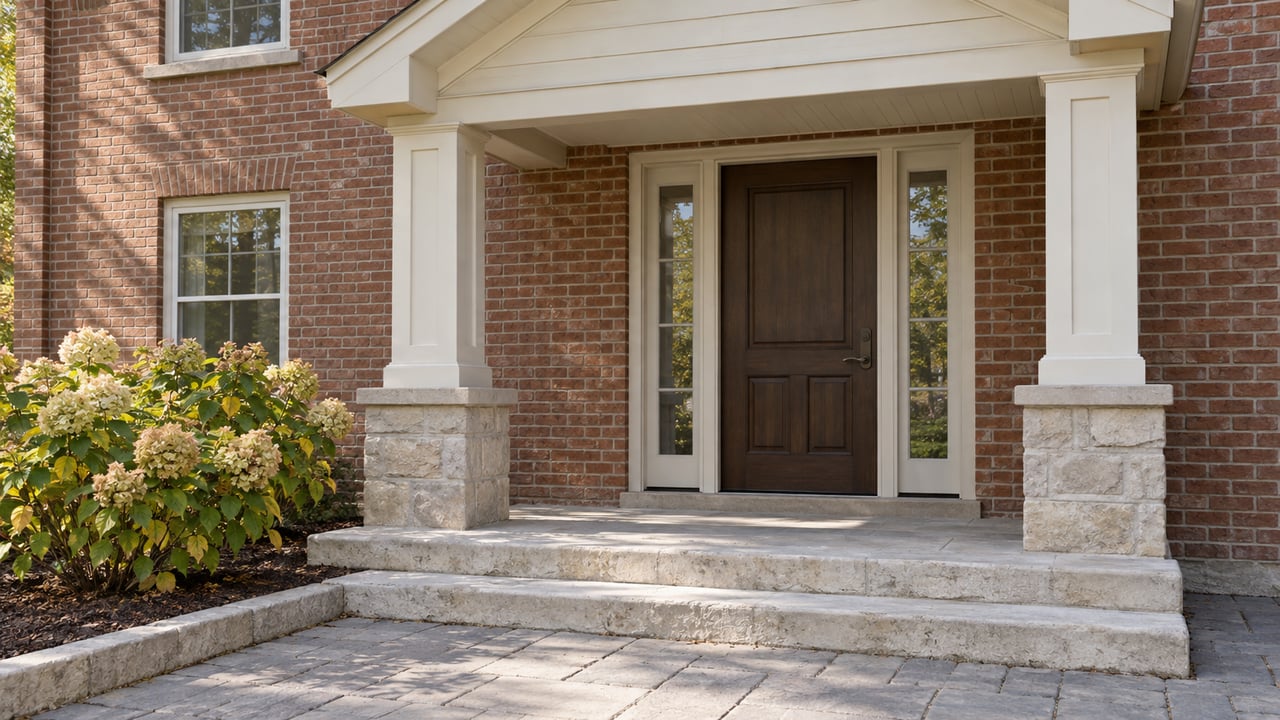
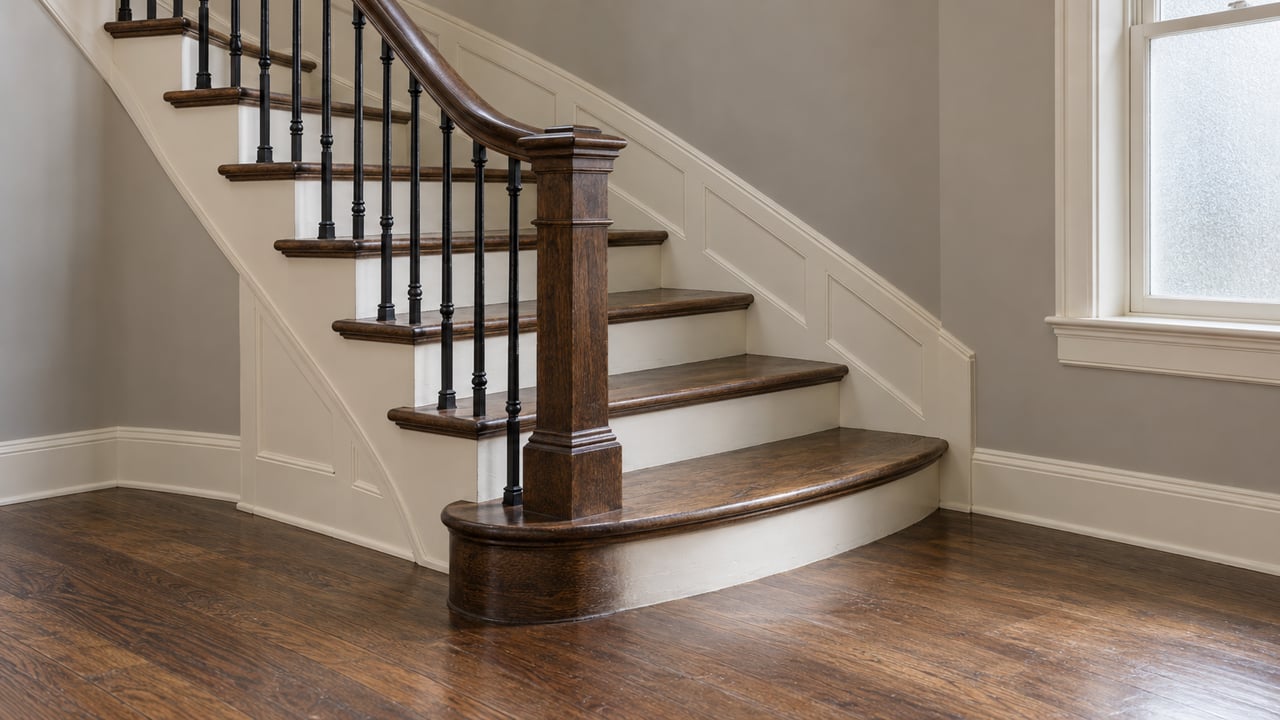
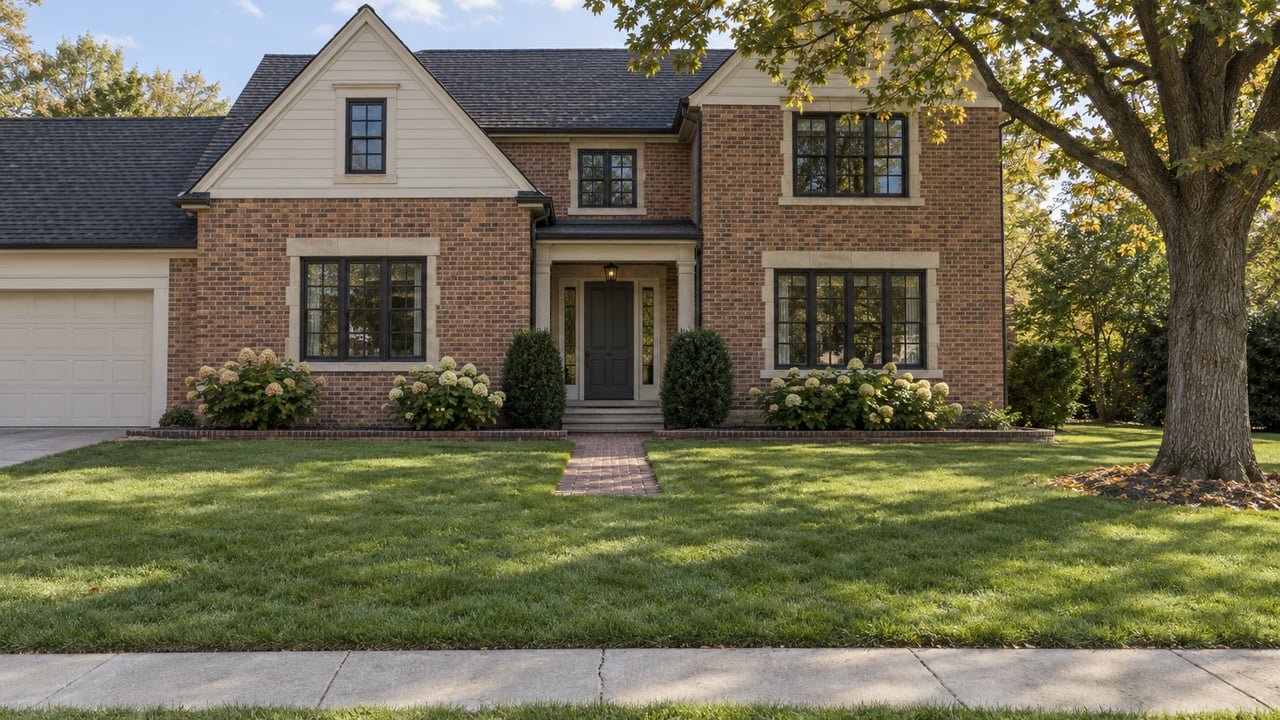
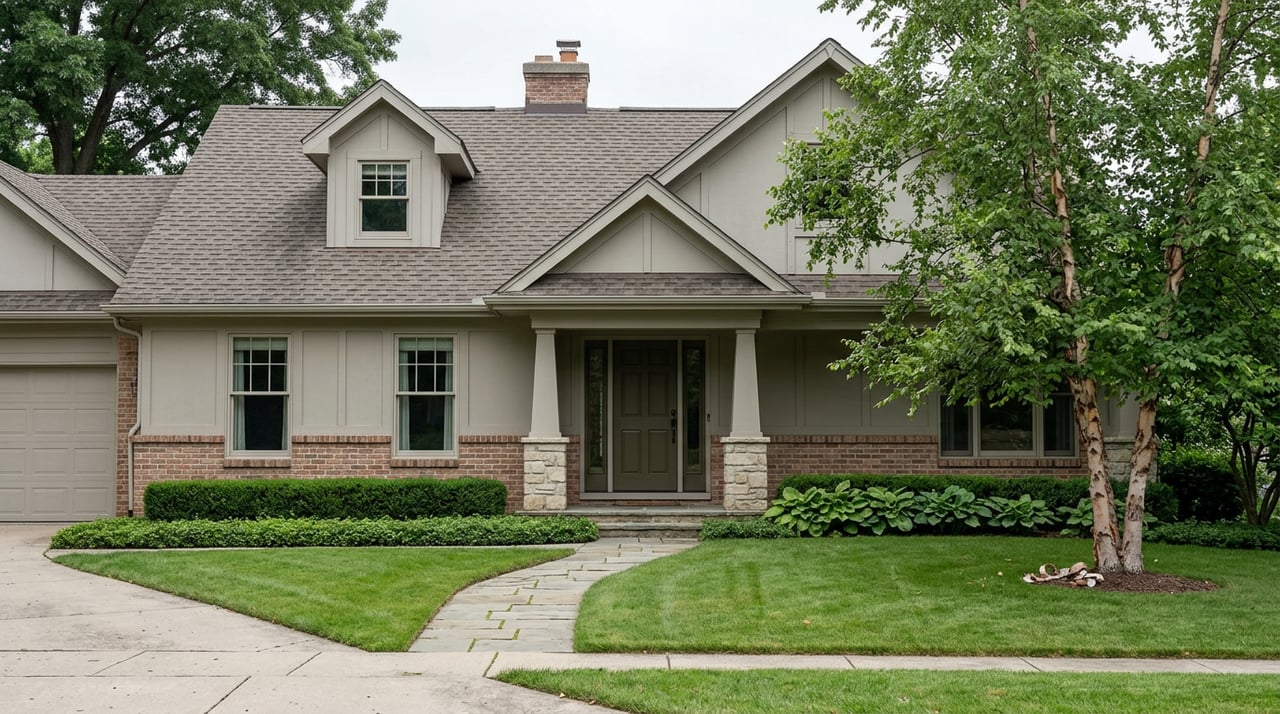
Address safety and major system issues first. Examples include HVAC service, roof leaks, electrical hazards, and any water intrusion. After that, focus on curb appeal, fresh paint in neutral colors, and decluttering. Professional staging or light styling can help buyers picture themselves in your home and often leads to faster sales. Most important, insist on top‑tier photography and visuals. Listings with professional photos attract more interest and can improve sale outcomes because more qualified buyers show up to see the home (professional photography impact).
Listing launch and showings
Marketing checklist on day one
Your listing should go live with complete, accurate details and a polished media package. Ask your agent to include:
- Professional photos, a floor plan, and a video or 3D tour
- A compelling description and feature highlights
- Smart showing instructions and lockbox plan
- Proactive outreach to local buyer agents and a launch plan across the MLS and social channels
Keep showings smooth and safe
Aim to keep the home show‑ready, with lights on and surfaces clear. Set clear showing windows that work for your schedule and coordinate pet plans. Use neutral scents and keep valuables out of sight. Your agent should confirm agent IDs and manage lockbox access.
Offers and negotiations
Compare more than price
When offers arrive, review net proceeds and the full set of terms. Key factors include:
- Price and any escalation language
- Earnest money amount
- Contingencies for inspection, appraisal, and financing
- Closing date and rent‑back requests if you need post‑closing time
- Buyer financing strength, pre‑approval letter, and proof of funds
- Seller credits or concessions requested
In a multiple‑offer setting, the best offer is often the one most likely to close on schedule with minimal risk, not just the highest price on paper.
Under contract to closing
Inspections and appraisal
Expect a buyer inspection and possibly additional tests. If the buyer requests repairs or credits, you can choose to make repairs, offer a credit, or hold the line if you marketed the home as an as‑is sale with proper disclosures. If the appraisal comes in low, your options include renegotiating the price or asking the buyer to cover the gap. Have your agent prepare comparables and updates that support value.
Final steps and closing day
Your title team will clear title issues, confirm your mortgage payoff, collect transfer taxes and stamps, and file the PTAX‑203. Naperville’s municipal stamp process often requires a final water read and bill clearance, so schedule that early. On closing day, provide keys, garage openers, appliance manuals, and any HOA access info. The buyer’s final walkthrough typically happens the day before or the same day as closing, so make sure agreed repairs are finished and receipts are available.
Your seller cost checklist
Budget for these common items so your net proceeds are accurate:
- Real estate commission, which is negotiable and can vary by property and market conditions
- Owner’s title insurance premium if customary per your contract
- Transfer taxes, including Illinois state tax and any Naperville municipal stamp
- Recording fees and closing or settlement fees
- Prorated property taxes and any outstanding municipal charges, such as water or garbage
- Agreed repairs or closing credits
- Optional prep costs, such as light staging, handyman work, or professional cleaning
Pro tip: ask your title company or agent for a preliminary closing statement before you list. That early estimate makes offer comparisons easier and reduces last‑minute surprises.
Local verification checklist
Confirm these local items before you go live:
- Who pays which transfer taxes and the exact Naperville stamp requirements for your address
- The estimated owner’s title insurance premium and all title‑related fees
- DuPage County tax proration method and the latest due dates
Quick decision guide by price band
These are general, high‑ROI moves we see paying off in Naperville. Calibrate to your home’s condition.
- Under 400k: Deep clean and declutter, fresh paint in key rooms, minor handyman fixes, professional photos, and a simple floor plan. Quality photos boost listing performance and showing traffic (photography impact).
- 400k to 800k: All of the above, plus selective staging or styling in living, dining, and primary bedroom. Consider a pre‑listing inspection to reduce renegotiations (pre‑listing inspection guidance).
- 800k and up: Full professional photo set with twilight exteriors, video or 3D tour, and drone images if the lot, setting, or roofline add value. Consider targeted pre‑listing tests, such as radon and a sewer scope for older systems, and plan for selective pre‑market repairs that protect value.
Ready to list with confidence?
You deserve a predictable, high‑quality sale that fits your timing. Our team brings a proven process, polished marketing, and hands‑on coordination from the first walkthrough to the final signature. If you want a clear plan, strong negotiation, and no surprises at closing, connect with Jeff Stainer for a free home valuation and a tailored selling strategy.
FAQs
Do I need a radon test before selling in Illinois?
- No test is mandated for every sale, but you must provide the IEMA radon pamphlet and disclose known test results; many sellers test pre‑listing to avoid surprises (IEMA guidance).
Who typically pays transfer taxes and Naperville’s municipal stamp?
- Illinois state tax applies to most conveyances, and Naperville has a municipal stamp process; payment can be negotiated in the contract, but verify customs and procedures with your title company for your address (state tax overview, Naperville stamp summary).
Is a pre‑listing home inspection worth it in Naperville?
- Many sellers find it reduces renegotiation risk and speeds closing by surfacing issues early so you can repair, disclose, or price accordingly (pre‑listing inspection guidance).
How long does it take to close after accepting an offer?
- Most financed Naperville sales close in about 30 to 45 days, while some cash deals can close faster; use that window to plan move‑out, utilities, and payoffs (timeline overview).
What must I disclose to buyers in Illinois?
- Provide the state Residential Real Property Disclosure Report, disclose known material defects, and if the home is pre‑1978, provide lead disclosures and the EPA pamphlet (IL disclosure law, lead rule).