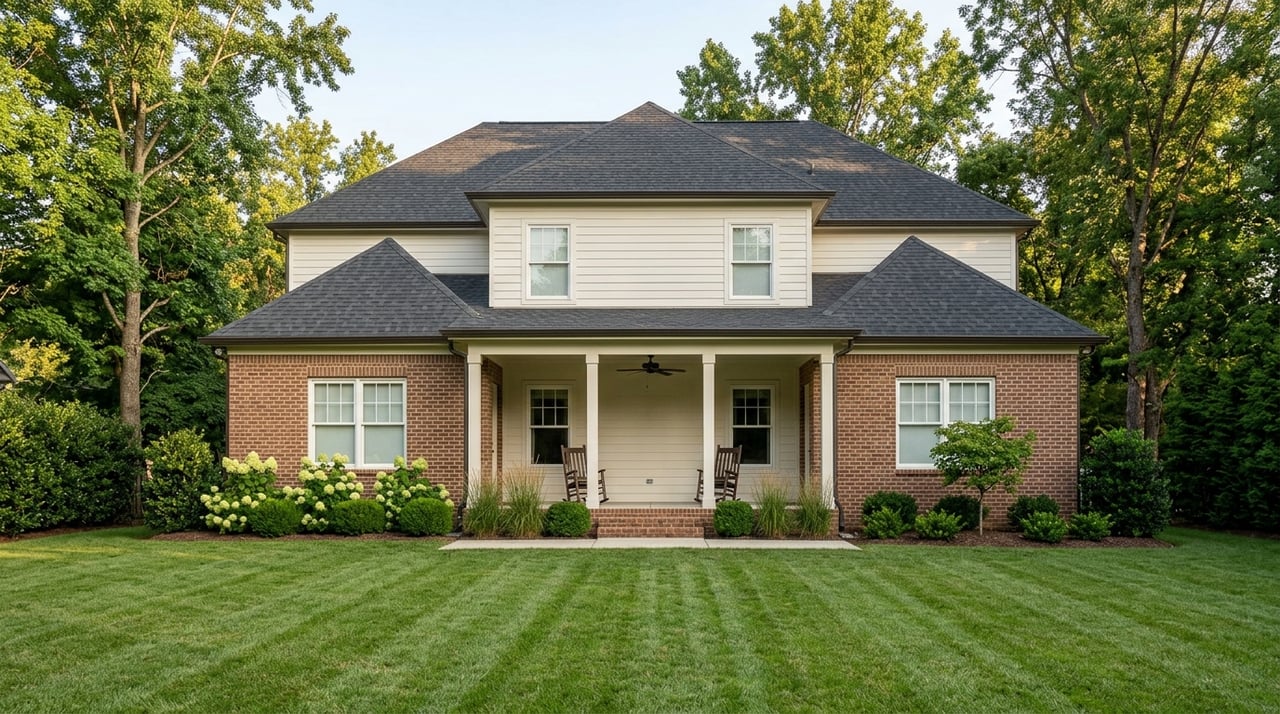
Wondering if your current home is starting to feel a little tight, but you do not want to give up the convenience of suburban living? If you are thinking about moving up, Lisle deserves a close look. It offers a practical mix of larger homes, commute flexibility, and everyday amenities that can make your next move feel like a real upgrade. Let’s dive in.
Why Lisle Appeals to Move-Up Buyers
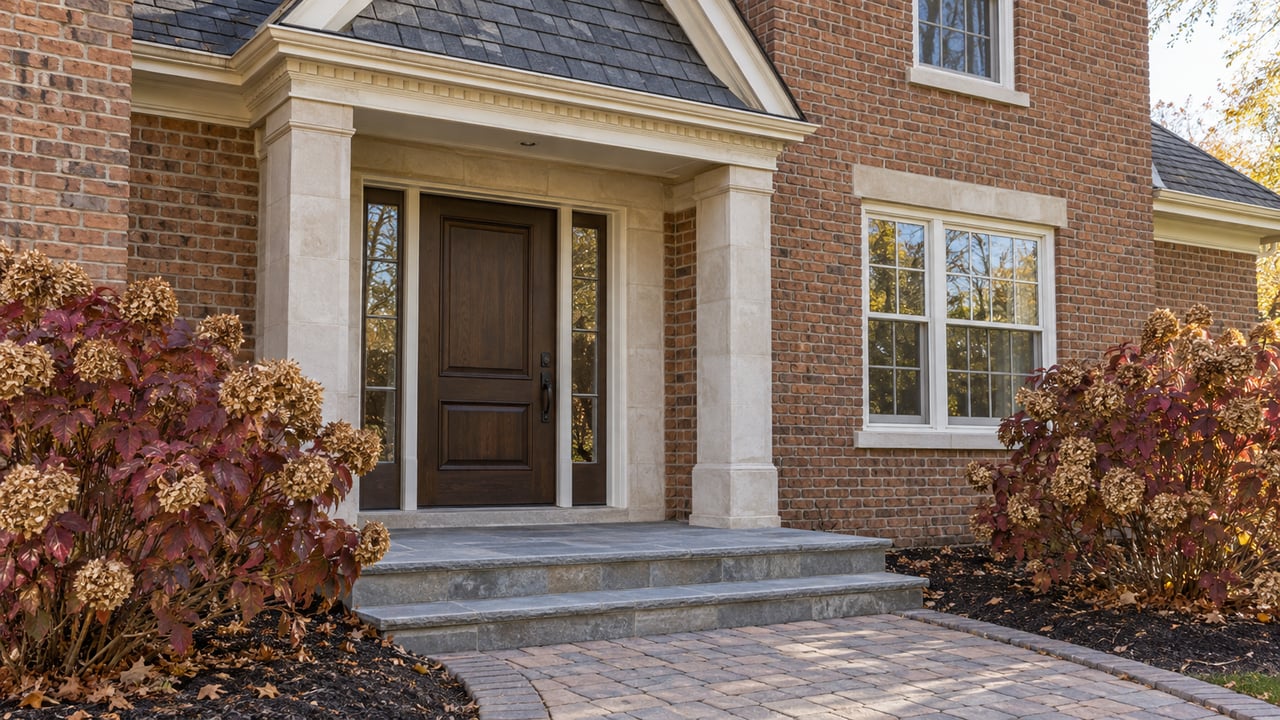
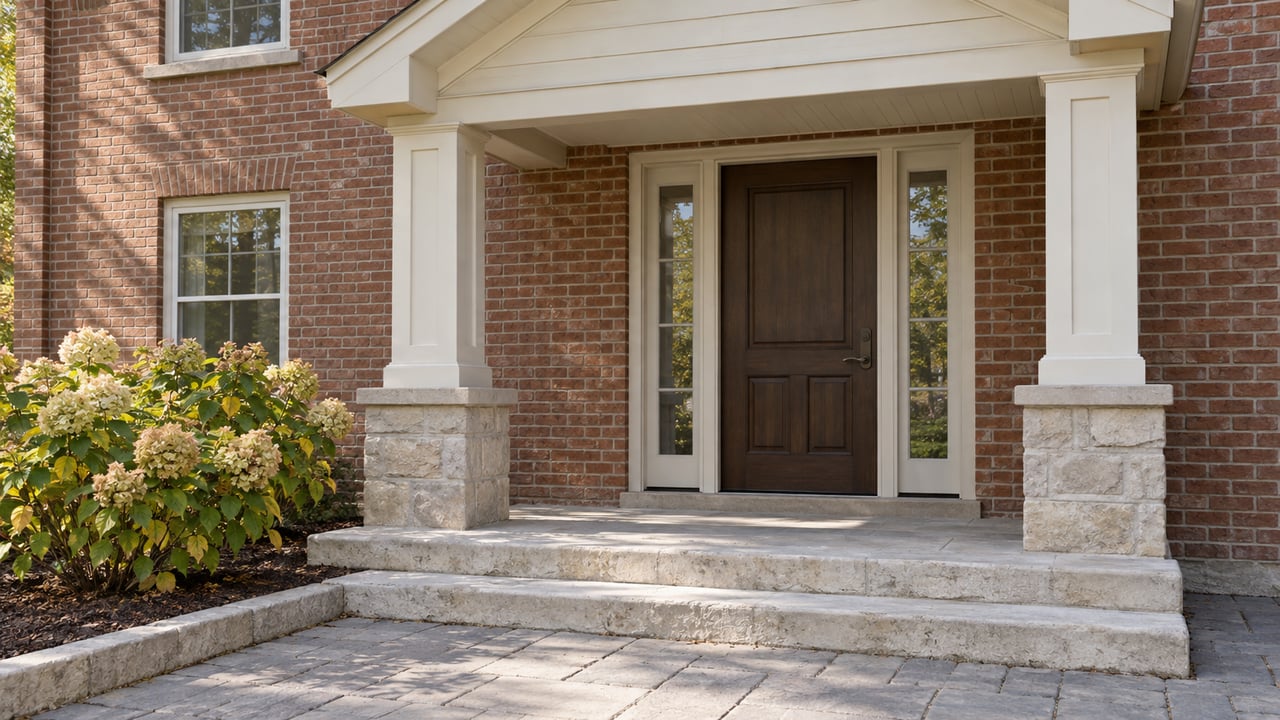
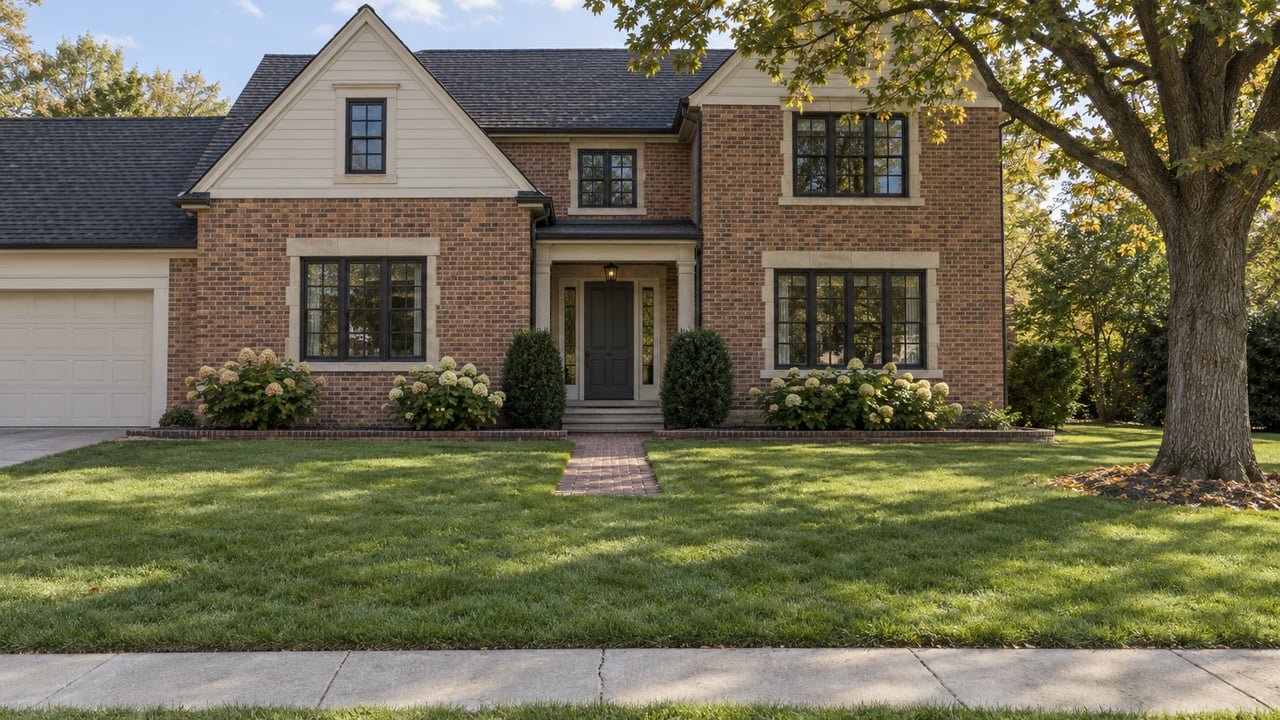
If your starter condo, townhome, or smaller house no longer fits the way you live, Lisle offers more than one path forward. According to the Village of Lisle housing summary, the village includes 4,778 detached single-family homes, along with attached homes, condos, and apartments. That mix matters because it creates a market where many buyers can trade up in size without leaving the western suburbs.
Lisle also has a housing profile that supports the move-up conversation. The village notes that 44.6% of its housing is detached single-family, while CMAP's Lisle community data shows 45.6% detached single-family units. For owners who want more room, a yard, or a more traditional suburban layout, that makes Lisle a realistic next step.
More Space Without Leaving the Area
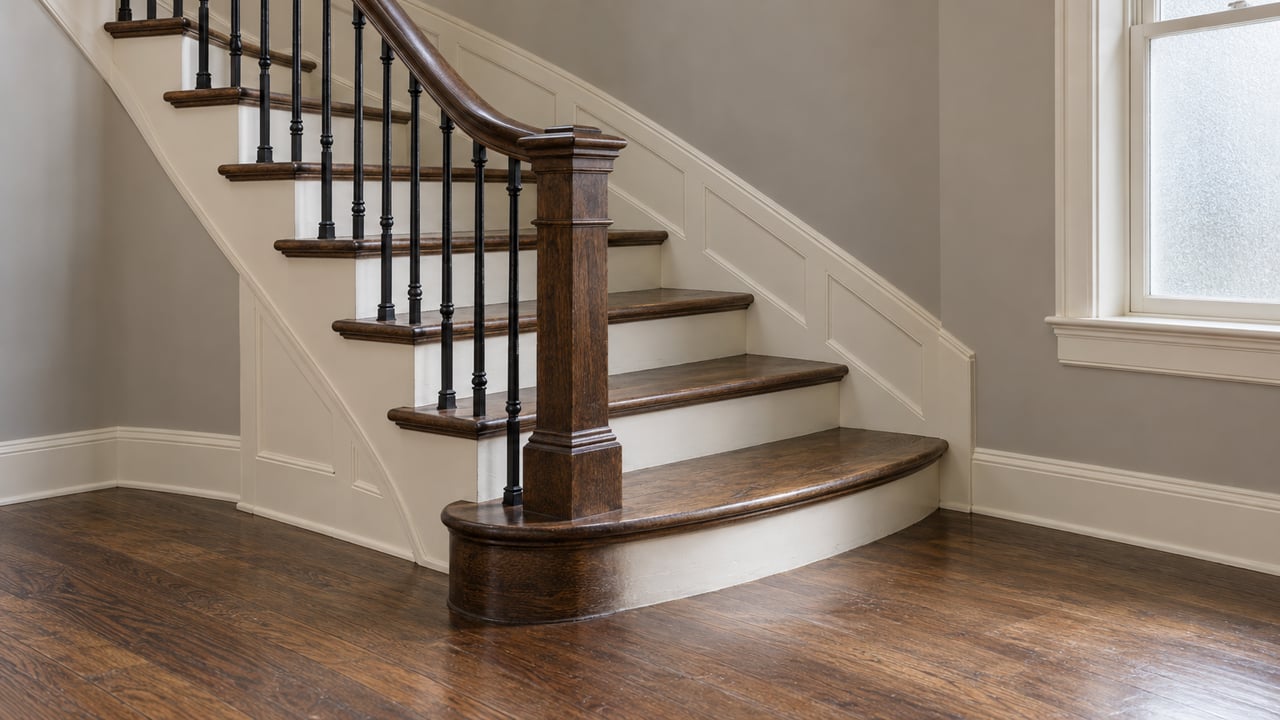
One reason moving up to Lisle makes sense is simple: you may be able to gain space while staying close to the communities, routines, and regional access you already know. CMAP reports that about 24.5% of Lisle homes have four bedrooms and 4.7% have five or more. If you are trying to move beyond a smaller floor plan, that is useful inventory context.
The housing stock is also mature enough to offer variety. CMAP shows that 57.2% of housing was built between 1970 and 1989, with a median year built of 1982. In practical terms, that often means you will see a range of layouts, lot sizes, and update levels rather than a market made up mostly of one era or one product type.
A Balanced Suburban Housing Mix
Lisle is not a one-note market. Alongside detached homes, the village reports 628 single-family attached units, 951 condos, and 3,327 apartments in its housing inventory. That mixed profile can help current owners make a smoother transition, whether you are selling a smaller attached property or buying into a larger detached home.
This balance also helps explain why Lisle often feels established rather than overly narrow. Village data on Lisle's accessible location and community profile points to a market with a range of housing choices, while CMAP reports a median household income of $106,173 and the village budget lists a median home value of $368,700. Together, those figures suggest a suburban market that is established and attainable for many move-up buyers, not just an exclusively high-end destination.
Commute Flexibility Is a Big Advantage
For many suburban owners, moving up is not just about square footage. It is also about making daily life easier. Lisle stands out here because it offers both highway access and rail access, which is not always easy to find in one place.
The village sits near I-88 and I-355, with multiple access points through Naperville Road, Route 53, Ogden Avenue, and Maple Avenue, according to the Village of Lisle transportation overview. If your work, family, or daily routine takes you across the western suburbs, that road network can be a major plus.
Lisle also has a downtown Metra station on the BNSF line. The Village of Lisle rail service page says express trains reach Chicago in about 36 minutes, while local trains take about an hour. Pace also serves the downtown station and business districts, giving you another option for getting around.
A Fit for Hybrid and Suburban Commuters
Lisle's commuting patterns show why it works for several types of move-up buyers. CMAP reports that 64.4% of workers drive alone, 22.6% work from home, and 7.0% use transit. The mean commute time is 27.7 minutes, which supports the idea that Lisle works well for hybrid schedules, suburb-to-suburb travel, and traditional downtown commutes.
There is also a meaningful employment base nearby. CMAP reports 25,787 private-sector jobs in Lisle and 2.57 private-sector jobs per household. Major work destinations for residents include Chicago, Naperville, Lisle, Downers Grove, and Oak Brook, which helps explain why the village can fit a wide range of commuting patterns.
Everyday Lifestyle Adds to the Case
A move-up home should improve your day-to-day life, not just add rooms. Lisle has a strong lifestyle case for buyers who want more space and easy access to recreation. One of the clearest examples is The Morton Arboretum, a 1,700-acre destination in Lisle with 16 miles of hiking trails, a Children's Garden, educational programs, and a visitor center with dining and shopping.
That outdoor access is not limited to one landmark. The Lisle recreation amenities overview says the Lisle Park District owns or maintains 42 sites totaling 447 acres, including Sea Lion Aquatic Park and River Bend Golf Club. If you want a larger home without losing access to things to do close by, that is a meaningful benefit.
Downtown Lisle Offers Useful Convenience
Lisle also adds a more local, everyday layer to suburban living. The village describes downtown Lisle as a pedestrian-friendly retail and restaurant district with the Garden Walk, PrairieWalk Pond, and a seasonal French Market. That kind of downtown setting can make errands, dining, and casual outings feel more connected to the community.
The Village of Lisle downtown guide notes that PrairieWalk Pond is a 4.5-acre recreation area with lighted walking trails, a 2-acre pond, native plantings, and Dragonfly Landing. For many buyers, these features help Lisle feel more rounded than a suburb built around only major roads and shopping corridors.
When Lisle Makes the Most Sense
Lisle is often a smart move-up choice if you want more house, more usable outdoor space, and flexible access across the western suburbs. It is especially worth considering if you have outgrown a condo, townhome, or smaller house and want to move into a detached home without jumping too far from your current area.
It also makes sense if your household has mixed commuting needs. You may have one person driving to another suburb, another taking Metra into Chicago, or someone working from home several days a week. Lisle's mix of interstates, rail service, and local employment makes that kind of schedule easier to manage.
For buyers focused on daily quality of life, Lisle can be appealing because it blends housing choice with recreation and a defined downtown area. That combination gives you more than just a larger house. It gives you a setting that may support how you actually live.
When Lisle May Not Be the Best Fit
Like any move-up market, Lisle is not ideal for everyone. If you want a highly walkable, transit-first lifestyle, the local commuting data suggests Lisle still functions mainly as a driving suburb. CMAP reports that only 2.3% of workers walk or bike to work, which is a helpful reality check for buyers hoping for a more urban daily routine.
It is also worth noting that Lisle's housing stock is generally not new. With most homes built from 1970 to 1989 and a median year built of 1982, condition and renovation level can vary a lot from one property to the next. That can be a benefit if you value established neighborhoods and varied layouts, but it does mean each home should be evaluated on its own merits.
School Boundaries Require Address Checks
If school assignment is part of your move-up decision, make sure you confirm boundaries by specific property. Lisle Community Unit School District 202 states that it serves the Lisle community and portions of Downers Grove, with elementary, junior high, and high school campuses in Lisle. As with any home search, district and attendance details should be verified by address during the buying process.
Final Thoughts on Moving Up in Lisle
If your goal is to gain space, improve your layout, and stay connected to the western suburbs, Lisle checks many of the right boxes. Its housing mix, bedroom inventory, transportation access, recreation options, and established suburban feel all support the case for moving up here.
The key is making sure the move fits your budget, commute, and long-term goals. If you want clear guidance on whether Lisle is the right next step, Jeff Stainer can help you compare options, time your sale and purchase, and build a move-up plan that works.
FAQs
Is Lisle a good place to buy a larger home in the western suburbs?
- Yes. Lisle has a strong detached-home presence, and CMAP reports that 24.5% of homes have four bedrooms and 4.7% have five or more, which makes it a practical option for buyers looking for more space.
Does Lisle work well for commuters?
- Often, yes. Lisle offers access to I-88 and I-355, and the downtown Metra station on the BNSF line provides another option for Chicago commuters and hybrid workers.
Is Lisle more suburban or urban in daily feel?
- Lisle is more suburban in day-to-day living. Commute data shows most workers drive, so it is generally a better fit for buyers who want suburban convenience rather than a transit-first lifestyle.
Are most homes in Lisle newer construction?
- No. CMAP reports that most housing was built between 1970 and 1989, with a median year built of 1982, so buyers should expect a mature housing stock with varying levels of updates.
What amenities make Lisle appealing for move-up buyers?
- Lisle offers access to The Morton Arboretum, park district facilities, PrairieWalk Pond, and a downtown area with retail, restaurants, and seasonal events, which adds value beyond the home itself.
How should buyers check school information in Lisle?
- Buyers should verify school assignment by exact property address. Lisle CUSD 202 serves the Lisle community and portions of Downers Grove, but attendance details should always be confirmed during the home search.