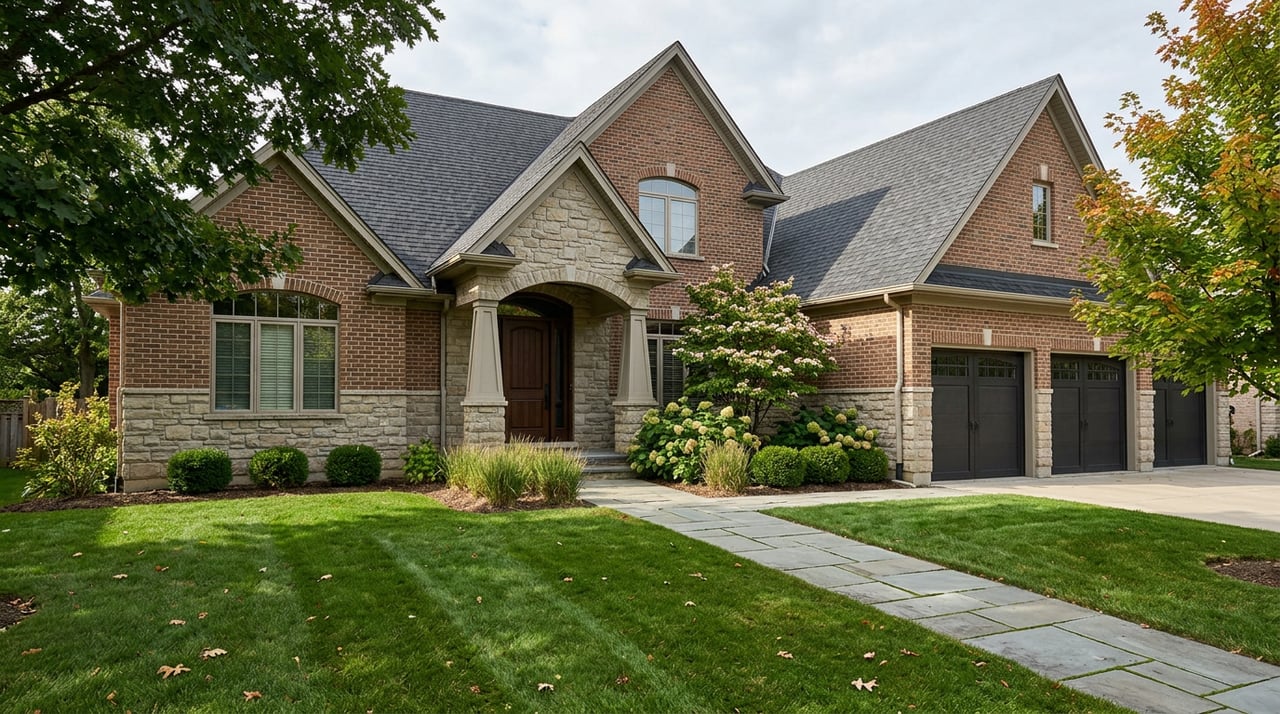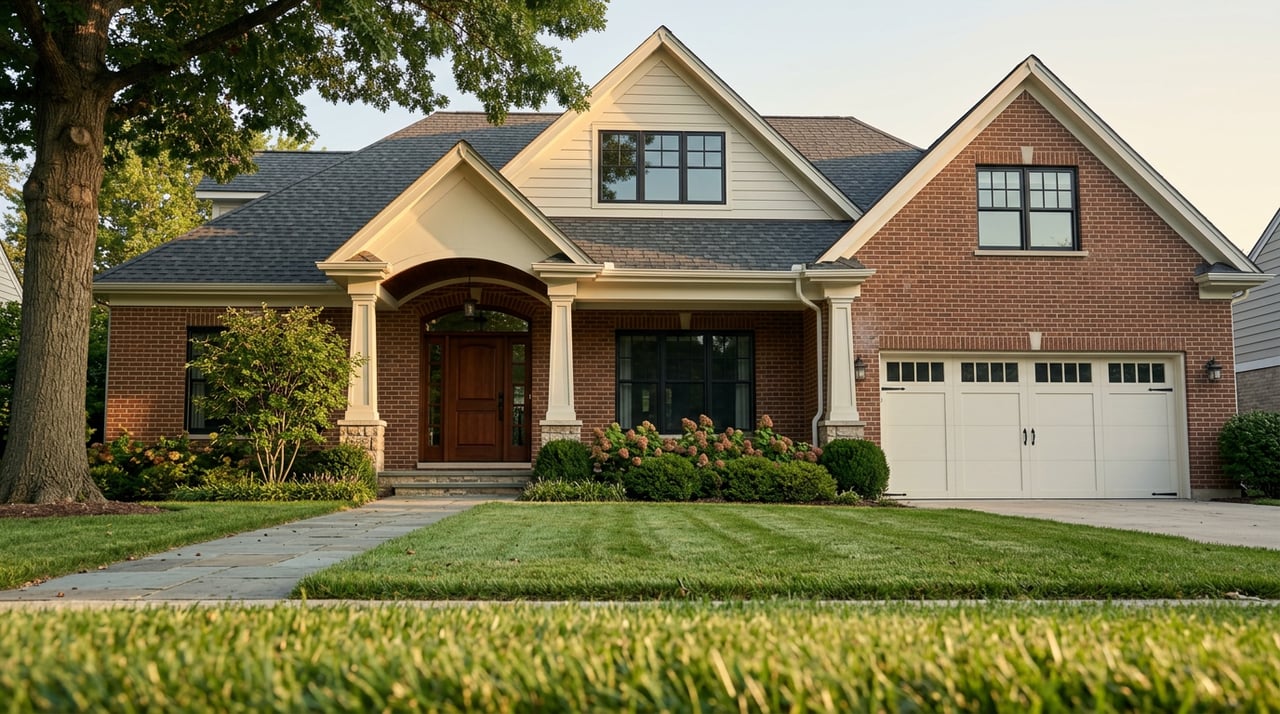
Two brick colonials, same square footage, same finish level, same asking price. One sits in Aurora's Kane County reaches. The other sits a mile east, still inside Aurora city limits, but across a county line that doesn't show up on the listing photo. The second homeowner's annual tax bill runs roughly $2,450 higher than the first, and neither buyer nor seller finds that out until someone pulls the actual bill.
This isn't a quirk of one neighborhood or one assessor having a bad year. It's structural. Aurora is one of only three cities in Illinois that spans four counties, Kane, DuPage, Kendall, and Will, alongside Barrington Hills and Centralia. Property tax in Illinois is a county-run system, not a city one, which means the same municipal address can land in four completely separate tax jurisdictions, each with its own assessment cycle, its own levy structure, and its own appeal calendar. If you're pricing a listing or writing an offer in Aurora, the county line matters more than almost anything else you'll negotiate over.
What the Line Actually Costs
The gap isn't theoretical. As of the current assessment cycle, the DuPage County side of Aurora carries a median effective property tax rate of 2.51%, translating to a median annual bill of $6,965. Cross into the Kane County portion of the same city and the median effective rate drops to 2.40%, with a median annual bill of $4,508. That's a difference of roughly $2,450 a year between two homes that could otherwise be interchangeable on paper.
| DuPage County side | Kane County side | |
|---|---|---|
| Median effective tax rate | 2.51% | 2.40% |
| Median annual tax bill | $6,965 | $4,508 |
| Lowest ZIP-level bill | $6,613 (60504) | $3,311 (60505) |
| Highest ZIP-level bill | $7,837 (60502) | $9,260 (60502) |
Look closely at that last row. ZIP code 60502 shows up on both sides of the table, and the numbers don't match, because 60502 itself straddles the county line. The DuPage slice of that ZIP carries a median bill of $7,837. The Kane slice of the exact same ZIP carries a median bill of $9,260. Same five-digit code on the envelope, different tax jurisdiction underneath it, different bill by more than $1,400. If you've been told to check the ZIP code before you fall for a listing, that advice doesn't go far enough in Aurora. You have to check which side of the county line the parcel sits on, ZIP code or no ZIP code.
The City Rate Is Falling. Your Bill Might Not Be.
Here's where sellers get tripped up in showings. The City of Aurora has its own tax rate, the portion tied to city government operations, and that rate has been declining for nine straight years running. According to the city's own reporting on Equalized Assessed Valuation, growth in the tax base has pushed the municipal rate down to its lowest point since 2011.
That's a real, verifiable number, and it's tempting to lead with it as good news for buyers. The problem is that the city's own levy is only one layer of a much thicker stack. School districts, forest preserve districts, townships, and library districts all levy separately, and those levies are set at the county level, not the city level. A falling city rate can coexist comfortably with a rising total bill, because the county-administered pieces of the stack are doing something else entirely. Quoting the city's declining rate to a buyer who's staring at a $7,800 annual bill doesn't reassure them. It confuses them, and it makes the seller look like they don't understand their own numbers.
Three Counties, Three Different Clocks
The rate gap is only half the story. The other half is timing, and it catches people off guard on both sides of a transaction.
- Kane County sets appeal deadlines township by township. The window is 30 calendar days after the assessment list publishes for that specific township, and there is no single countywide date. In a past cycle, Aurora Township's own deadline landed on August 22, meaning a buyer who closes in September has already missed the year's only shot at an appeal for that township.
- DuPage County works on the same 30-days-after-publication logic, but its nine townships stagger their publication dates from spring all the way into November. A DuPage-side Aurora buyer could still have a live appeal window months after a Kane-side neighbor's window has already closed for the year.
- Kendall County typically publishes assessment notices in mid-September, with the 30-day appeal clock starting from that date, which puts the filing deadline somewhere around mid-October for that assessment year.
- Will County runs its own version of the same process, the fourth clock on the fourth slice of the city, and it's worth confirming separately if a parcel falls there.
None of these counties will extend a deadline because a sale closed at an inconvenient moment. If a buyer is counting on appealing an assessment shortly after taking title, the calendar for that appeal was already running before they signed anything, and it's set by the county the parcel sits in, not by the closing date.
What This Means If You're Listing or Making an Offer
For sellers, the fix is simple and worth doing before the first showing. Know which county and township your parcel sits in, and know the current tax bill cold, not the rate, the actual dollar figure. A buyer who brings up the tax bill during negotiations isn't trying to chip away at your price out of habit. In Aurora specifically, they may have just discovered that a comparable listing across the invisible line carries a meaningfully lower bill, and they want to know why yours doesn't.
For buyers, the question to ask before writing an offer isn't just "what's the tax bill." It's which county and township the parcel is assessed in, and when that township's assessment notice typically publishes. That single piece of information tells you whether you'll have an appeal window this year or whether you're waiting until next cycle.
The county line doesn't appear on the plat map you'll see at a showing. It appears on the tax bill, and by then the negotiation is usually already underway.
A few concrete steps close the gap:
- Pull the parcel's PIN and confirm the assessing county before comparing tax bills across listings.
- Ask the listing agent or seller for the actual most recent bill, not an estimated rate.
- If you're the buyer, confirm the township's assessment publication date so you know your appeal window in advance, not after it's closed.
Frequently Asked Questions
How do I find out which county my Aurora address is actually in? The parcel identification number, not the ZIP code, is the reliable way to confirm this. Kane, DuPage, and Kendall counties each maintain their own property search tools tied to that PIN, and the assessing county is the one that issues the tax bill.
Does a falling city tax rate mean my total bill is going down? Not necessarily. Aurora's municipal rate is one layer of several. School, township, and forest preserve levies are set separately at the county level and can move independently of the city's own rate.
If I buy a home in Aurora, can I appeal the assessment right after closing? Only if the appeal window for that specific township is still open. Kane, DuPage, and Kendall counties each run their own 30-day windows tied to when the local township publishes its assessment list, and those windows can close well before or well after a given closing date.
Does the same ZIP code mean the same tax rules? Not in Aurora. ZIP code 60502 alone spans both the Kane and DuPage portions of the city, with materially different median tax bills on each side.
Pricing a listing or making an offer in a city that crosses four county lines takes more than a glance at the rate sheet. If you're weighing a move in Aurora and want a straight answer on what a specific parcel's tax picture actually looks like before you price it or write on it, Jeff L. Stainer can walk through the numbers with you and help you get ahead of the questions before they show up at the negotiating table.