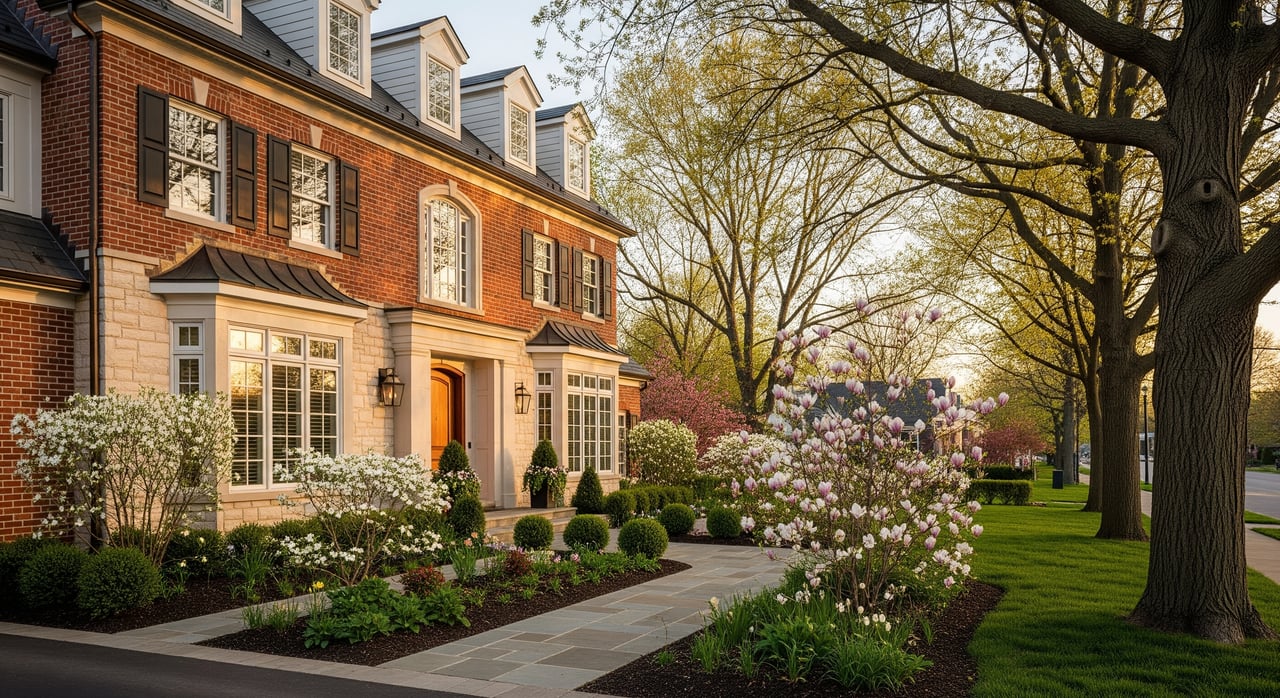
Is there a right month to list your Naperville home, or should you sell when you are ready? The truth is, timing matters here more than in most places thanks to our Midwest seasons and local buyer patterns. If you want the largest buyer pool and a smooth closing, you will benefit from a plan that matches your goals to the calendar. In this guide, you will learn the best months to list, how market conditions can shift that window, and the exact steps to prepare with confidence. Let’s dive in.
Why timing matters in Naperville
Naperville follows a clear seasonal rhythm. Buyer activity rises in late winter, peaks in spring and early summer, then slows through late summer and fall with the lightest activity in winter. In our climate, the peak runs a little later than warmer markets because curb appeal improves once yards green up and landscaping shows well.
You feel this in real time. More showings, more open house traffic, and faster offers tend to happen when weather cooperates and families plan summer moves. Your goal is to use the seasonal lift without ignoring current market conditions.
Peak selling window: April to June
Most years, the best listing window in Naperville is April to June. That is when you typically see the highest buyer traffic, stronger online engagement, and faster contract timelines. In some strong markets, momentum can stretch into early July.
This timing also aligns with the school calendar. Many buyers prefer to close in late spring or early summer so they can move before the new school year. Listing in April or May puts you in position to capture those buyers.
Market conditions can shift timing
Seasonality boosts results, but it sits on top of bigger factors like mortgage rates, inventory levels, and employment trends. In a hot seller’s market, the window can broaden with several favorable months. In a slower market, hitting the seasonal peak becomes more important.
To make a smart call, watch a few key metrics: months of supply, days on market, median price trends, and local mortgage rates. Low supply and steady rates support stronger pricing across more months. High supply or rising rates may require more precise pricing and sharper presentation regardless of month.
Neighborhood and property-type factors
Not every property behaves the same way. Homes near Metra stations often draw steady interest among commuters, especially in spring and summer. Downtown and select newer subdivisions may see quicker movement when demand is strong.
Condos and attached homes can show less pronounced seasonality compared with single-family homes. Investor activity and financing options can influence timing for these properties. Entry-level homes can be sensitive to changes in interest rates as first-time buyers respond to affordability.
Curb appeal and weather
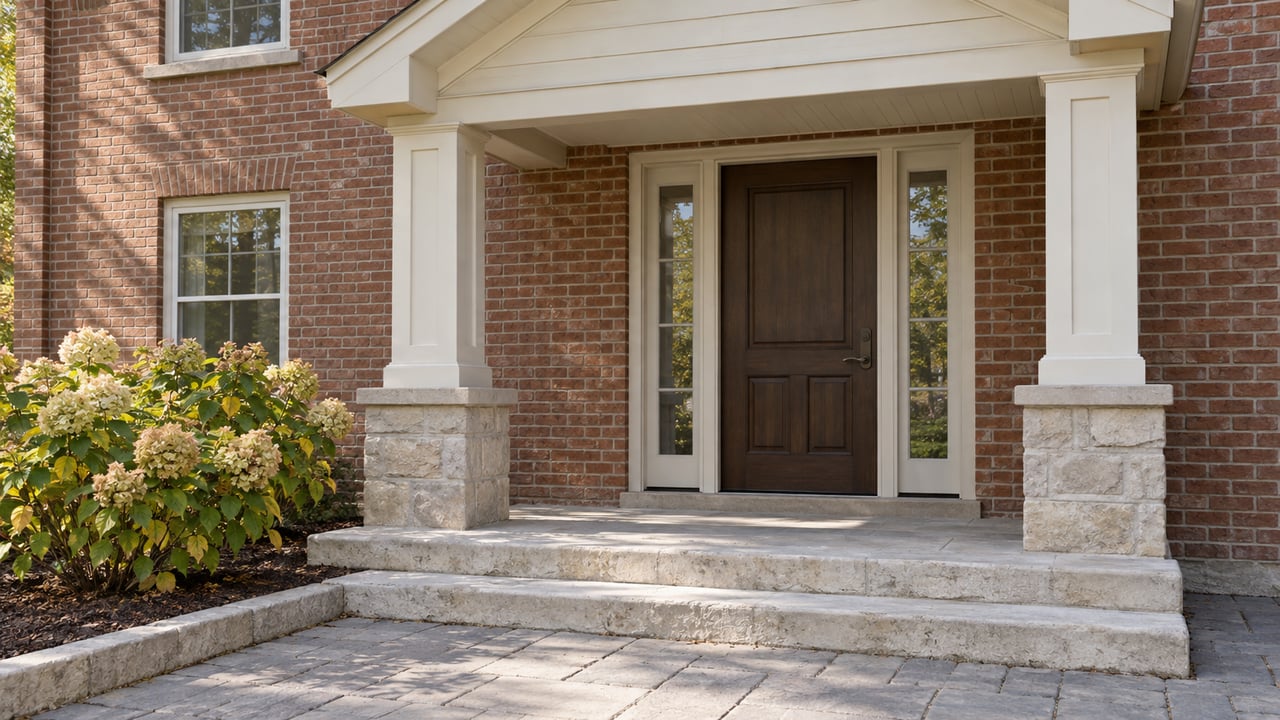
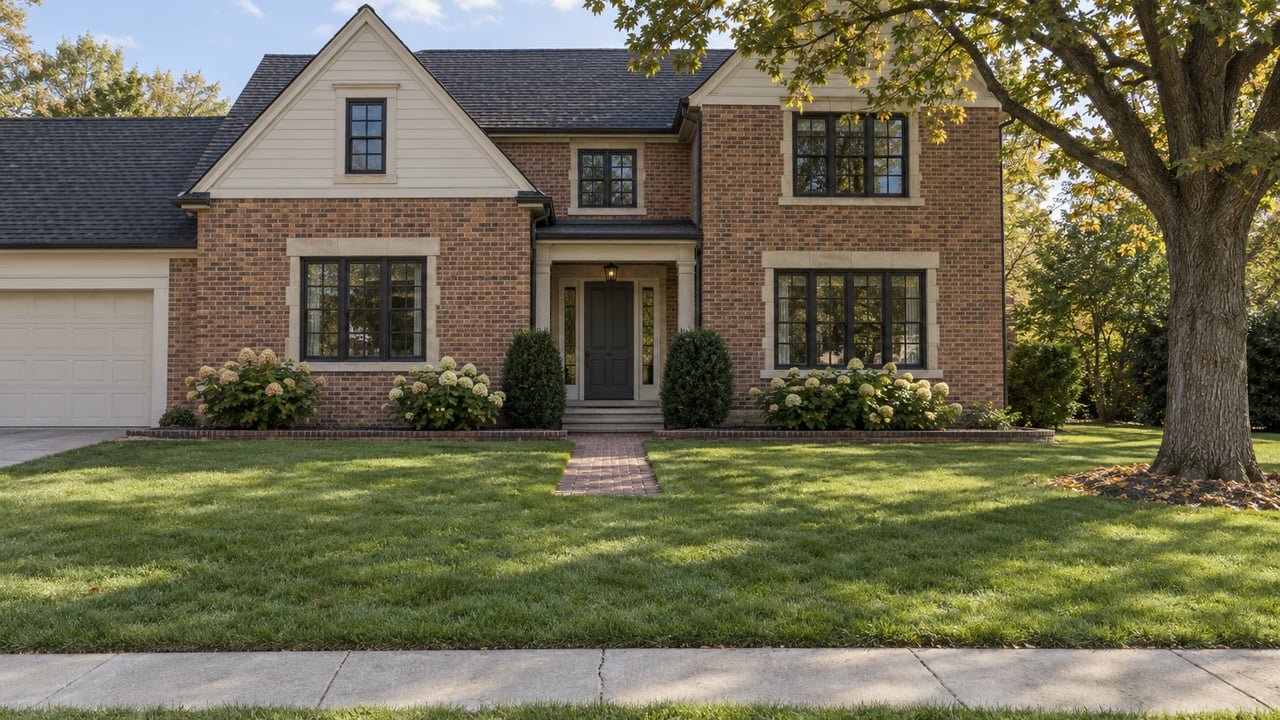
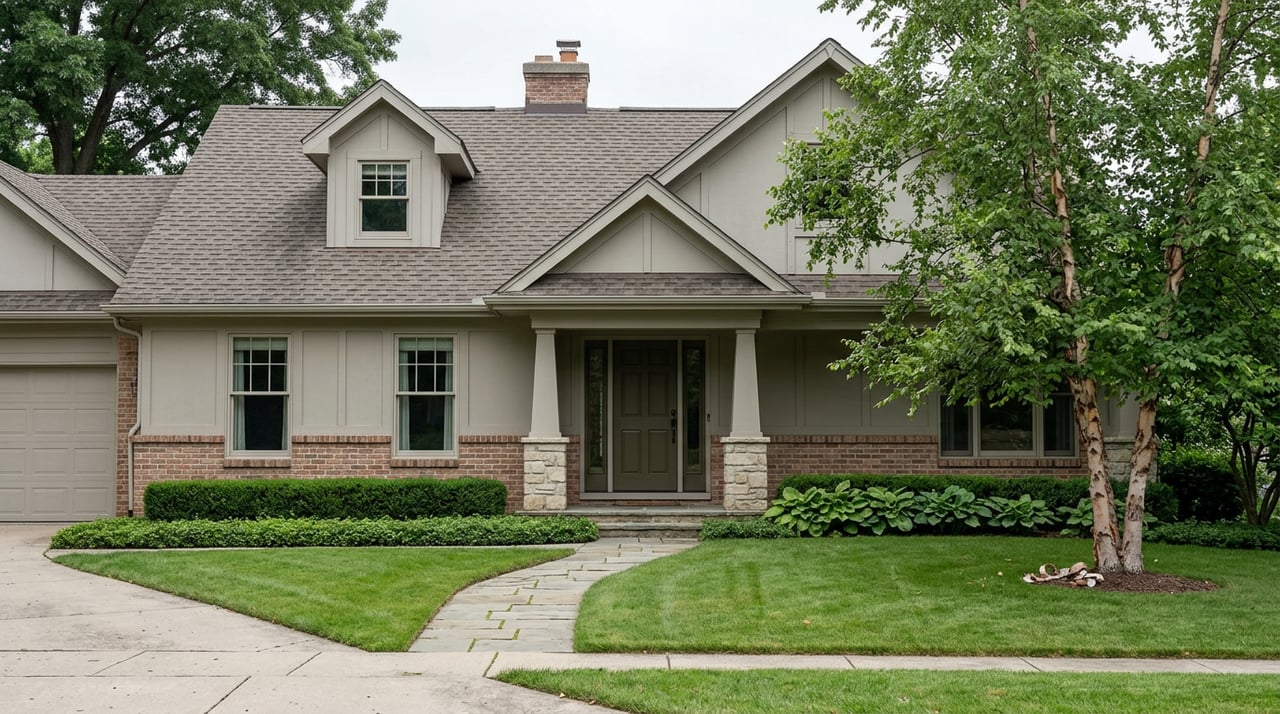
Winter weather can hold back exterior prep, landscaping, and photography. Listing too early in late winter can work against you if photos show a dormant lawn or salt-stained streets. When possible, capture photos once the yard has greened up and flowers return. Better visuals help your online presence and can translate into more showings.
If you must list off-season, lean on professional lighting, warm interior staging, and a flexible showing schedule to maximize buyer interest.
Taxes and closing timing in DuPage County
It is wise to coordinate timing with your closing agent if property-tax proration or assessment schedules matter to you or your buyer. DuPage County’s annual cycles can influence how buyers view expected bills and how you plan your net proceeds. Build this check-in into your listing prep.
Seller timelines: how to prepare
If you are targeting an April listing, start early. A prompt and organized prep cycle will help you hit the market with momentum and avoid avoidable delays.
Example April timeline
- January to February: interview local agents, order a pre-listing inspection, and scope repairs.
- March: complete repairs, declutter and stage, schedule professional photos, and finalize pricing strategy.
- Early April: launch to MLS and coordinate open houses.
- Late May to June: target closing, subject to buyer financing and standard local timelines.
If you plan to list off-season, compress prep to 3 to 4 weeks. Focus on high-quality photography, strong copy, and easy showing access to offset lower traffic.
What to watch before you list
Track a few data points weekly or monthly so you can adjust with confidence.
- New listings and pending sales
- Months of supply benchmarks
- Median sale price and 30 to 90 day price trends
- Days on market
- Local mortgage rates
- Local employment and new construction permits
- School district calendars and major city events that could influence weekend traffic
Timing tips by seller goal
Every seller has a different priority. Match your timing to what matters most.
Highest price and widest exposure
- Aim for April to June when buyer activity peaks and photos look their best.
- Start 6 to 8 weeks early for repairs, staging, and marketing prep.
- Consider an offer review plan if you expect multiple offers.
Quick sale under a tight deadline
- If outside peak season, price competitively against the most recent comparable sales.
- Consider a pre-inspection to reduce buyer friction and re-negotiations.
- Offer flexible showings and strong digital presentation.
Fewer bidding wars and less stress
- List just after the spring peak, roughly late July to September.
- Expect fewer competing buyers, a longer market time, and a potential tradeoff on price.
Investors and landlords
- Decide based on your asset type. Single-family homes often follow the April to June pattern. Condos can be more flexible.
- Align with tax-year goals and lease expirations.
Downsizers and retirees
- If you want maximum exposure, spring is still best.
- If your schedule is flexible, fall can work well with proper pricing and staging.
Seller checklist
Use this quick list to stay on track.
- Request a comparative market analysis based on current Naperville comps.
- Order a pre-listing inspection to identify issues early.
- Address high-impact repairs first: roof, HVAC, water intrusion, and safety items.
- Declutter, stage key rooms, and schedule professional photography when landscaping is in bloom.
- Set your pricing strategy and any offer review plan with your agent.
- Coordinate closing timing with tax proration and assessment cycles if relevant.
- Have a backup plan if interest rates or inventory shift unexpectedly.
Pricing and negotiating in any season
Strong presentation and a realistic initial price go a long way no matter the month. Overpricing in spring can stall momentum, while competitive pricing in the off-season can spark activity. Focus on recent comparable sales, micro-market trends in your neighborhood, and days on market for homes most similar to yours.
Expect that negotiation dynamics vary with supply. When months of supply is low, you can be firmer on terms. When supply rises, consider credits or timing flexibility to keep deals moving.
The bottom line
In Naperville, the sweet spot to list is April to June for most sellers looking for top value and smooth closings. That said, you can sell successfully year-round with the right pricing, prep, and marketing. Align your plan with current rates, inventory, and your personal goals, and give yourself enough runway to prepare your home.
If you want a clear, step-by-step plan for your address and timeline, talk with Jeff Stainer and get your free home valuation.
FAQs
Is spring always the best time to sell in Naperville?
- Spring, especially April to June, is historically strongest due to buyer traffic, curb appeal, and school-year timing, but current market conditions can shift results.
Will I get a higher price if I wait for spring in Naperville?
- Often yes, but rising or falling markets can change the math, so monitor months of supply, days on market, and recent comps before deciding.
How early should I start preparing my Naperville home?
- Plan for 4 to 8 weeks for repairs, staging, and photos, and longer if you need larger updates or landscaping work.
Do Naperville condos follow the same seasonal trends?
- Condos can be less seasonal than single-family homes, though they still benefit from spring activity and strong marketing any time of year.
What if I need to sell quickly in winter in Naperville?
- Price competitively, use professional photography and lighting, keep showings easy, and consider a pre-inspection to reduce delays.