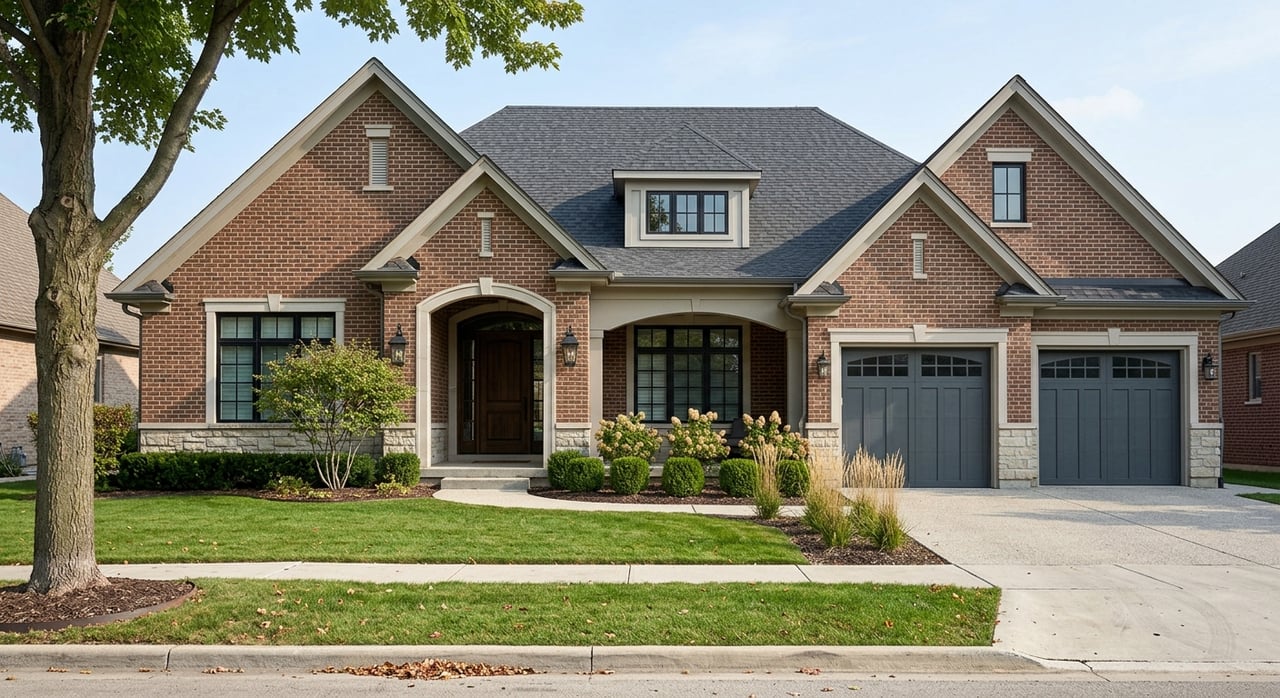
If you are trying to choose between downtown Naperville and south Naperville, you are really choosing between two different day-to-day lifestyles. One offers a more walkable, mixed-use setting with easy access to the Riverwalk, while the other feels more like a classic suburban residential area with larger pockets of detached homes, parks, and major retail corridors. If you want to know which area better fits your commute, housing goals, and routine, this guide will help you compare the tradeoffs clearly. Let’s dive in.
Downtown vs. South Naperville
Downtown Naperville is the city’s pedestrian-oriented core. City planning materials describe it as a dense mixed-use area with residential, retail, restaurants, entertainment, hospitality, professional offices, and civic uses often stacked vertically within the same buildings.
South Naperville has a more suburban layout. City planning documents show significant low-density residential growth in the southern half of the city, especially south of 75th Street, along with established retail and restaurant areas.
In simple terms, downtown tends to support a walk-first lifestyle, while south Naperville tends to support a drive-first suburban routine. That difference shapes everything from housing choices to how you spend weekends.
Housing Choices and Home Style
Downtown housing mix
Downtown offers more variety than many buyers expect. Near the core, you can find older in-town homes as well as higher-density options such as condos, townhomes, row houses, and multi-family buildings.
Naperville’s local historic district, just east of downtown, includes about 320 properties and 253 homes. The city says 279 of 310 principal structures there were built as single-family homes, mostly between 1870 and 1950.
That means downtown can appeal to buyers who want historic character, a central location, or attached housing with lower exterior maintenance. Your choices are often shaped more by lifestyle and location than by a single home type.
South Naperville housing mix
South Naperville has a larger share of detached suburban housing. City planning documents identify much of the growth south of 75th Street as low-density residential development, including subdivisions such as Riverwoods, Cinnamon Creek, High Oaks, Green Ridge Estates, Knoch Knolls, Brookwood Trace, and Brechenridge Estates.
The city also notes that medium-density development in this area is primarily townhomes, condos, and apartments. Even so, the overall feel is more centered on subdivision living than on mixed-use residential blocks.
If you want a more traditional suburban neighborhood pattern, south Naperville may feel more familiar. It tends to align well with buyers looking for detached-home inventory and neighborhood-oriented living.
Budget Expectations in Naperville
Naperville’s average home value was $610,454 as of March 31, 2026. For rough ZIP-code context, Zillow reports $633,132 in 60540 and $609,160 in 60565, though ZIP codes do not line up perfectly with the downtown and south Naperville lifestyle areas.
That matters because budget decisions here are not only about price. In many cases, you are also paying for a location pattern, whether that means proximity to downtown amenities or access to a more suburban housing layout.
Downtown buyers may see value in walkability and central access. South Naperville buyers may see value in detached-home supply, subdivision layouts, and broader access to neighborhood recreation.
Commute and Transportation
Downtown commute advantages
Downtown Naperville is served by the Naperville Metra station on the BNSF line. The city says service runs east to Chicago and west to Aurora, with express trains during morning and evening commutes.
For buyers who want rail access close to the city core, this can be a major plus. Downtown residents can also use Central Business District parking permits in designated locations.
Downtown transportation comes with more structure, though. The city manages garages, surface lots, on-street time limits, loading zones, and resident or employee permits within the CBD.
South Naperville commute patterns
South Naperville benefits from access to the Route 59 Metra station on the city’s south side. Pace also provides all-day bus service between the Naperville and Route 59 stations through four routes.
Daily movement in south Naperville is generally more road-oriented. The city identifies major corridors such as 95th Street, Route 59, Book Road, Plainfield/Naperville Road, Naper Boulevard, and Washington Street in its traffic-alert system.
If your routine depends on driving to shopping, work, activities, or the train, south Naperville may fit more naturally. If you prefer a more compact environment near the traditional downtown core, downtown may be the better match.
Parks, Trails, and Outdoor Time
Downtown outdoor amenities
Downtown’s signature outdoor feature is the Naperville Riverwalk. The city says the Riverwalk stretches 1.75 miles and includes brick paths, fountains, bridges, sculpture, recreational facilities, and the Millennium Carillon.
That gives downtown a built-in gathering place for walking, relaxing, and enjoying the city center. For many buyers, the Riverwalk is part of what makes downtown feel active and connected.
South Naperville recreation options
South Naperville offers a broader suburban recreation pattern. The Naperville Park District says the city has more than 70 miles of trails, and south-side amenities include Knoch Knolls Park with a canoe launch, disc golf, fishing, trails, playgrounds, ponds, and nearly 40 acres of preserve land within the broader park.
The 95th Street Center and 95th Street Community Plaza also add indoor programming and neighborhood recreation on the south side. The Park District says the 95th Street Center was its first indoor program location in south Naperville.
If your ideal weekend includes neighborhood parks, trails, and larger recreational destinations, south Naperville offers strong appeal. If you want outdoor access tied more closely to a lively city center, downtown stands out.
Shopping and Dining Access
Downtown Naperville is widely associated with concentrated shopping and dining in a pedestrian-friendly setting. The city describes downtown as full of stores, spas, businesses, and dining opportunities.
South Naperville offers a different kind of convenience. The city describes the southern part of Naperville as a thriving retail and restaurant district.
For many buyers, the practical difference is this: downtown makes it easier to combine errands, dining, and recreation in one walkable area, while south Naperville often suits buyers who prefer suburban retail access spread along major corridors.
Which Area Fits Your Lifestyle?
Choosing between downtown and south Naperville usually comes down to how you want your days to feel. Both areas offer access to Naperville amenities, but they serve different priorities.
Downtown Naperville may be the better fit if you want:
- A walkable mixed-use environment
- Easy access to the Riverwalk
- Older in-town character
- Attached housing options near the core
- A location close to the Naperville Metra station
South Naperville may be the better fit if you want:
- More detached-home inventory
- A suburban subdivision pattern
- Neighborhood parks and trail access
- Major retail and restaurant corridors nearby
- Access to the Route 59 station and road-based commuting routes
Neither choice is universally better. The right fit depends on whether you value central walkability or suburban space and routine more in your everyday life.
A Smart Way to Compare Both
If you are serious about buying in Naperville, the best next step is to compare both areas in person with your actual priorities in mind. A home that looks perfect online can feel very different once you test the drive times, parking patterns, nearby amenities, and overall pace of the area.
It also helps to compare housing options through the lens of your full move. If you are selling, relocating, or trying to time two transactions together, the right neighborhood decision should also support your broader timeline and budget.
When you want clear, local guidance on how downtown and south Naperville compare for your price point and goals, Jeff Stainer can help you evaluate the options and move with confidence.
FAQs
What is the main lifestyle difference between downtown and south Naperville?
- Downtown Naperville is more walkable and mixed-use, while south Naperville is more suburban in layout with a stronger focus on detached residential areas, major roads, and neighborhood recreation.
What kinds of homes are common in downtown Naperville?
- Downtown Naperville includes a mix of older single-family homes, especially near the local historic district, along with condos, townhomes, row houses, and other higher-density housing near the core.
What kinds of homes are common in south Naperville?
- South Naperville has a larger share of detached suburban housing, with additional townhomes, condos, and apartments in some areas.
Which Naperville area has better train access for Chicago commuters?
- Downtown Naperville is near the Naperville Metra station, while south Naperville has access to the Route 59 station. Both are on the BNSF line, and Pace provides bus service between them.
What outdoor amenities stand out in downtown Naperville?
- Downtown Naperville is known for the 1.75-mile Riverwalk, which includes brick paths, fountains, bridges, sculpture, recreational features, and the Millennium Carillon.
What outdoor amenities stand out in south Naperville?
- South Naperville includes access to city trails and parks such as Knoch Knolls Park, which offers trails, fishing, disc golf, a canoe launch, playgrounds, ponds, and preserve land, plus programming at the 95th Street Center.
Is downtown or south Naperville usually better for suburban-style living?
- South Naperville is usually the better fit for buyers who want a more traditional suburban pattern with detached homes, neighborhood parks, and road-oriented daily convenience.