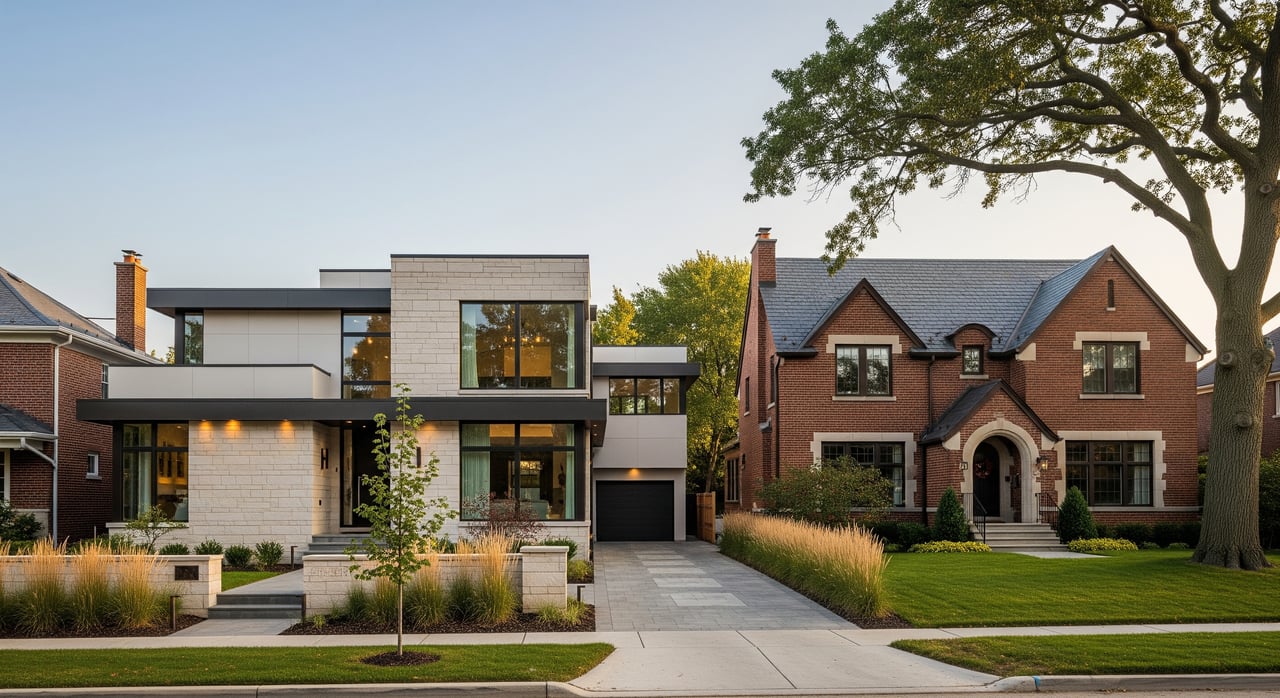
Thinking about buying in Plainfield and wondering if a brand‑new home or a resale is the better move? You are not alone. With active building across Will County and steady demand from Chicago‑area commuters, Plainfield offers both options in many price ranges. In this guide, you will see how costs, timelines, contracts, and lifestyle tradeoffs compare so you can choose with confidence. Let’s dive in.
Plainfield market context
Plainfield sits in Will County in the southwest Chicago‑Naperville‑Arlington Heights metro. Growth has come from suburban development, highway access, and strong community amenities. Inventory shifts with builder activity, interest rates, and local planning approvals, so conditions change throughout the year. For the most current picture, review local MLS data for Plainfield and Will County and recent building permits through county and village planning offices.
If schools are part of your decision process, Plainfield School District 202 serves large portions of the area. Confirm attendance boundaries and enrollment trends directly with the district before you commit to a specific neighborhood.
New construction: what you pay and get
Price, lots, and upgrades
New construction often carries a premium compared with similar resale homes on equivalent lots. You are paying for brand‑new systems, current code standards, and a clean slate to design. The base price is only the starting point. Upgrades like kitchen packages, flooring, finished basements, and landscaping can raise the final number, and change orders can add both cost and time.
Lot selection also matters. Premium locations such as cul‑de‑sacs, water views, walkout basements, or lots backing to open space typically come with added fees. In some resale neighborhoods, those same location advantages exist and may come at a lower incremental cost because landscaping and streetscapes are already mature.
Carrying costs and incentives
Plan for monthly carrying costs, not just the purchase price. New subdivisions may have homeowners’ association dues that cover amenities and maintenance. Property taxes for new builds are often reassessed after completion, which can increase the tax bill compared with the prior land‑only assessment. Check the Will County Assessor for assessment timing and methodology so there are no surprises.
On the plus side, new homes usually deliver better energy efficiency due to current building codes, modern mechanicals, and high‑performance windows. That can mean lower utility usage compared with older homes. Builders also frequently offer incentives such as closing cost credits, mortgage rate buydowns, or appliance packages, which can improve short‑term affordability.
Resale homes: value and tradeoffs
Entry price and negotiation room
Resale listings often provide a lower entry price and more negotiation flexibility. Depending on market conditions, you may secure seller credits, repair concessions, or a price reduction after inspections. You also gain transparency. Utility history, tax records, and prior renovations can help you estimate the true cost of ownership.
Maintenance and updates
Resales may need near‑term repairs or updates. Roofs, HVAC systems, and appliances have finite lifespans, and older homes may not match today’s energy codes. Many buyers value the character and established feel of older neighborhoods, but factor in a maintenance budget or explore renovation financing if the home needs work.
Timeline and contract differences
Possession timelines
If you need keys quickly, resale is typically faster. A standard resale purchase with financing can close in about 30 to 45 days, assuming clean title and straightforward inspections. New construction timelines vary widely. A completed or near‑complete spec home may close in 30 to 60 days, while a ground‑up build commonly takes several months, often 4 to 9 months, depending on weather, permits, and customization.
Contract structure and leverage
New construction contracts are usually builder‑drafted and more standardized. They may include terms that limit your leverage on delays or change orders. Resale purchases are typically negotiated on standard forms and allow for contingencies on inspection, financing, and appraisal. That can give you more control over repairs and pricing.
Inspections, warranties, and disclosures
For new builds
Even with new construction, plan on independent inspections. A pre‑drywall or rough‑in inspection and a final inspection help confirm workmanship and catch issues early. Confirm what inspections your builder allows and the timing for each stage. New homes often come with limited builder warranties, commonly one year for workmanship with longer coverage for major systems or structural elements. Review the warranty in detail, including how to submit claims and response timelines.
For resales
Resale transactions should include a full home inspection, with specialty inspections as needed for radon, pests, or structural concerns. Sellers typically provide disclosures on known defects. Ask your agent to review permit history on past renovations so you understand what was done and whether it was permitted.
Financing and appraisals
Renovation‑friendly mortgages can help you buy a resale that needs work. With new construction, financing depends on the stage. If you are purchasing a completed or near‑complete home, a standard mortgage is common. If you are building from the ground up, your lender may use a construction‑to‑permanent loan with interest‑only payments during the build.
Appraisals also differ. New homes are compared to recent sales of similar new or recently built properties. In thin markets with limited comparable sales, an appraisal shortfall is possible. Builders sometimes offset gaps with concessions, but you should plan for solutions if the appraisal comes in low.
Builders may offer mortgage rate buydowns or other incentives. Weigh these against potential price reductions or upgrades that add long‑term value. Your agent and lender can help you evaluate which structure best fits your budget and timeline.
Neighborhood fit and long‑term value
Schools, amenities, and HOAs
School district boundaries, parks, and community services influence demand over time. In Plainfield, many buyers look to confirm how a specific address aligns with Plainfield School District 202 attendance areas. New subdivisions often have homeowners’ associations with covenants that help maintain curb appeal but also add rules and fees. Review the HOA budget, fee schedule, and bylaws before you commit.
Energy codes, construction activity, and streetscapes
New homes benefit from modern building and energy codes that typically lower near‑term maintenance and utility usage. In developing areas, expect ongoing construction activity, evolving traffic patterns, and amenities that may take time to be fully built out. Established neighborhoods offer mature trees, finished streetscapes, and a settled feel that many buyers value.
How to compare in Plainfield: quick checklist
Use this side‑by‑side process to make a confident decision.
- Pull recent comparable sales in the same subdivision or nearby neighborhoods for both new and resale options.
- Map commute routes and timing to your frequent destinations at peak hours.
- Confirm school boundaries and district enrollment insights if relevant to your plans.
- Estimate monthly costs, including mortgage, taxes, HOA dues, utilities, and a maintenance reserve.
For new construction:
- Review the builder contract. Focus on change‑order rules, completion time frames, warranty terms, and any liquidated damages for delays.
- Ask for an itemized list of what is included versus optional upgrades, with prices for each option and any lot premium.
- Research the builder’s license and recent projects, and request references from recent buyers.
- Schedule independent inspections at key stages: pre‑drywall, mechanical rough‑in if allowed, and final.
- Verify building permits and the final occupancy certificate with the village before closing.
- Confirm how and when the county will assess property taxes on the completed home.
For resale homes:
- Order a professional home inspection and follow recommended specialty checks.
- Review seller disclosures, past permits, and any warranties on recent work.
- Request recent utility statements to understand energy usage and costs.
- Have the title company check for municipal code issues or outstanding liens.
Local resources to consult
- Local MLS data for Plainfield and Will County to track median price, days on market, and inventory.
- Will County Assessor for parcel values, assessments, and appeal procedures.
- Will County and Plainfield planning and building departments for permits, approved subdivisions, and infrastructure timelines.
- Plainfield School District 202 for attendance boundaries and enrollment information.
- Illinois REALTORS and national housing reports for new‑home versus existing‑home trends.
Choosing what is right for you
If your top priorities are customization, new systems, and energy efficiency, new construction in Plainfield can be a strong fit, especially if your timeline is flexible and you are comfortable with HOA environments. If you want a faster move, established streetscapes, and negotiation flexibility, a resale may deliver better value.
The best decision comes from side‑by‑side numbers and local context. Our team helps you compare real‑time inventory, incentives, and resale comps across Plainfield’s neighborhoods so there are no surprises at closing or after you move in. If you are ready to weigh options or want a free, data‑driven pricing analysis for your current home, connect with Jeff Stainer. Get your free home valuation and a clear plan for your next move.
FAQs
What costs make new construction more expensive in Plainfield?
- Beyond base price, factor in lot premiums, design‑center upgrades, potential HOA dues, and a higher post‑completion tax assessment. Builder incentives can offset some costs.
How fast can I close on a resale vs. a new build?
- Resales commonly close in 30 to 45 days with financing. New build timelines range from 30 to 60 days for completed spec homes to several months for ground‑up construction.
Can I negotiate price on a new home in Will County?
- Negotiation is often tighter than on resales, but you can ask for credits, rate buydowns, upgrade packages, or help addressing an appraisal gap.
Do I need an inspection on a brand‑new home?
- Yes. Independent inspections at pre‑drywall and final stages are strongly recommended to verify workmanship and identify issues early.
How do property taxes work for new builds in Plainfield?
- New construction is typically reassessed after completion, which can raise the tax bill compared with the prior land‑only assessment. Check the Will County Assessor for details.
What financing options help with a resale that needs work?
- Renovation‑friendly mortgages can combine purchase and improvement funds, allowing you to update major systems or finishes after closing.